About - Historic Welsh Influence
The story that led to the Barti story. The inspiration for Barti in some respects was quite simple, we wanted to create the best spiced rum in the world. However, what makes Barti really special is the marrying of so many additional influences, scroll from left to right tales of ancient Welsh cuisine and coastal shipwrecks sparking pockets of industry. It's the rich influence of the past which has shaped Barti into what it is today.
Scroll the historical stories which inspired Barti Rum
1607
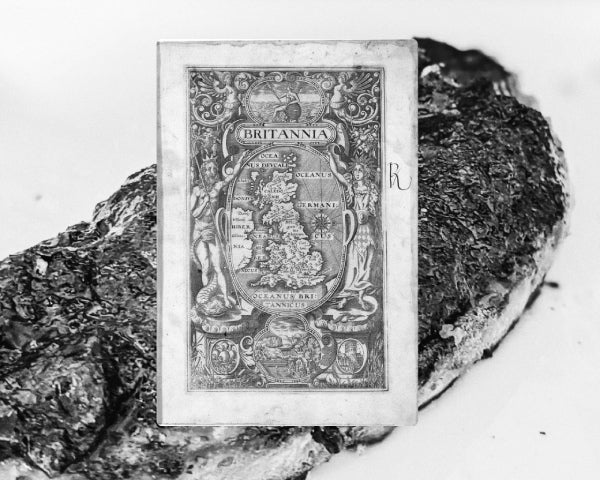
The First Record Of Welsh People Eating Seaweed
Laverbread is recorded as a staple food, eaten in South Wales in William Camden’s work, Britania. The people of Swansea and the surrounding area are among the most charmed by this savoury green ingredient and devour it routinely, normally as part of their breakfast.
1682
A Young Boy Leaves Pembrokeshire
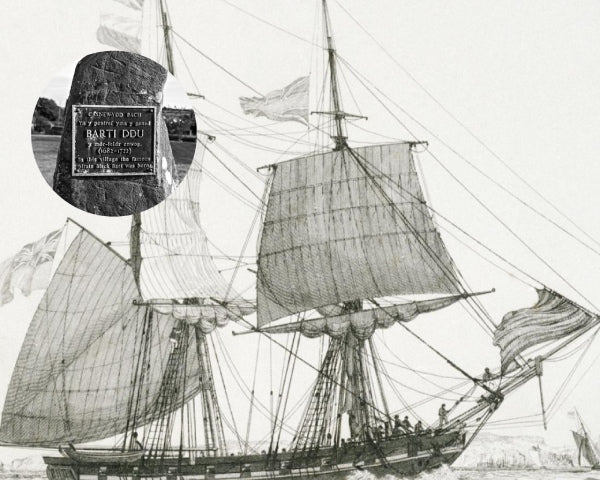
A boy called John Roberts was born in Casnewydd Bach (Little Newcastle in English), a tiny village in Pembrokeshire, West Wales. The boy grew and left home aged 11, he is recorded as joining the British Royal Navy in the lowest of ranks aged just 13.
1719
Roberts Is Forced To Join His Pirate Captors
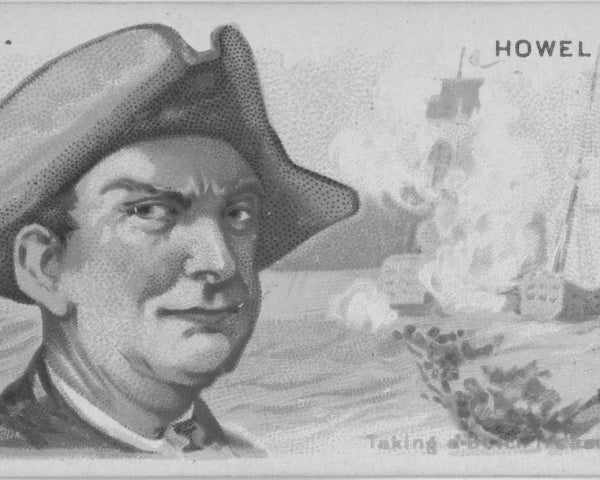
Age 37 Roberts’ long lowly career in the Navy has been habitually unremarkable until one day the ship he is working aboard is captured by pirates. Reluctant to join them, but less inclined towards being murdered, Roberts is initiated into the pirate crew which happens to be captained by another Pembrokeshire man, Howel Davies from Milford Haven.

1720
Bartholemew The New Captain
Immediately hitting it off with his captor, John Roberts and Hywel Davies speak Welsh to one another and Davies values Roberts’ excellent navigational skills which were entirely overlooked by his former royal naval colleagues. When Davies is killed, the very popular second in command is immediately voted in as the new captain and takes on the alias name Bartholemew Roberts.
1721
The Most Prolific Pirate Career
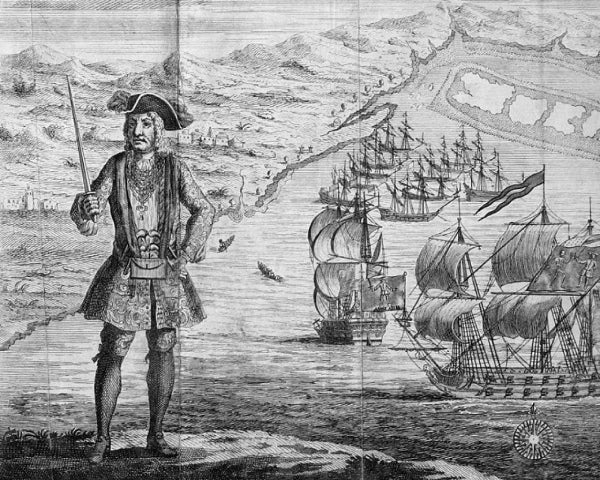
Bartholemew is wanted dead by several of the richest countries in the world for his notoriously effective interceptions of Atlantic trading ships. Famed for his unprecedented success at seizing huge amounts of treasure over a short period, fiercely enforcing his pirate code which ensures every crew member (a third of whom were black) has an equal share and vote, ensuring his men don’t mistreat women, and being unapologetically unique in terms of style and attitude for the time.
1722
Forever Known As Barti Ddu or in English Black Bart
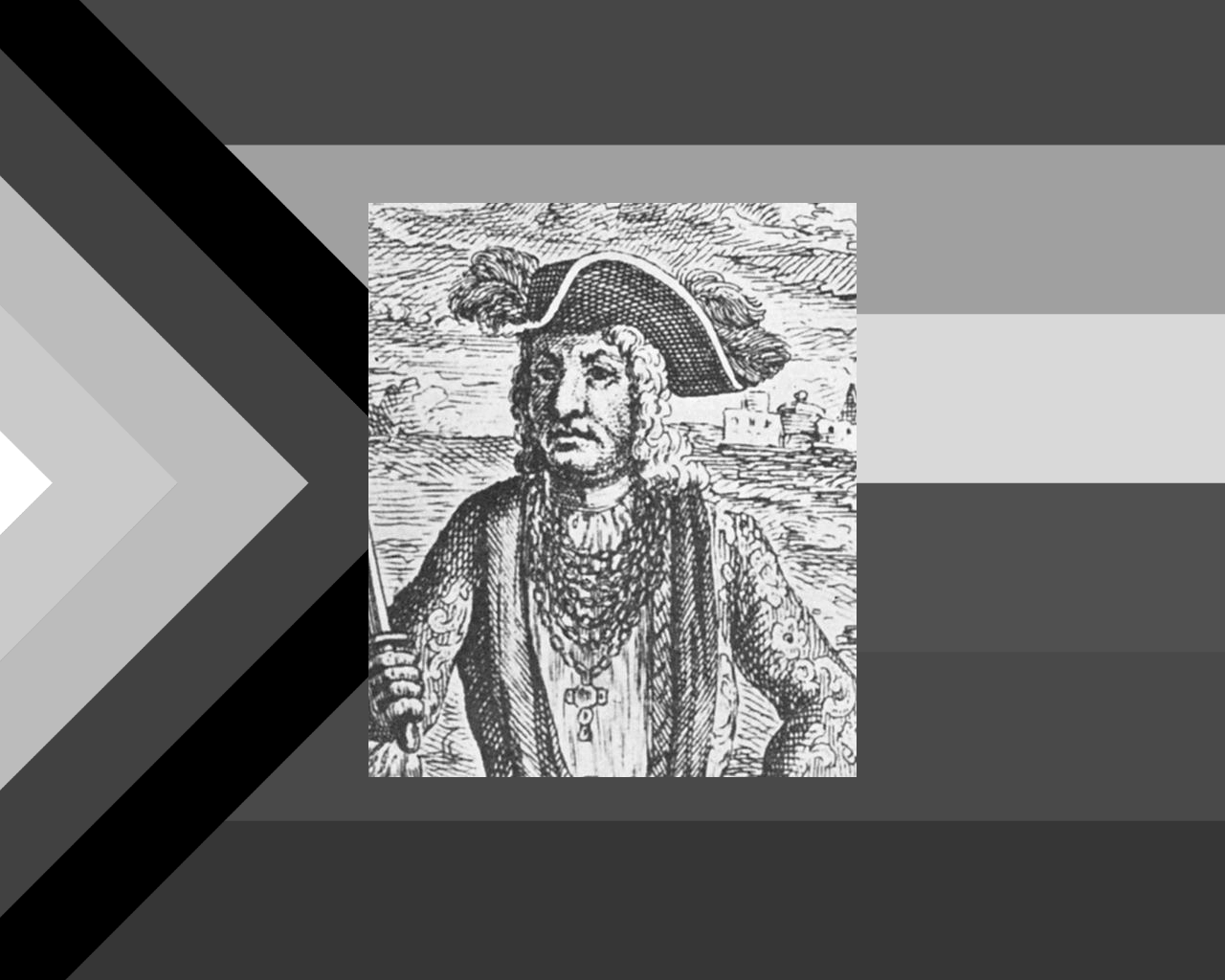
After his death Bartholomew Roberts becomes known as the infamous Black Bart, or Barti Ddu in Welsh. Barti Ddu was long constrained by poverty and the societal norms of the seventeen hundreds before his capture which ultimately freed him to be the individual he truly was.
It’s well documented that Bartholemew Roberts spent very little time in the company of women, some historians speculate that he was gay or in fact a she.
1879
A Pembrokeshire Shipwreck Over 100yrs After Barti's Death
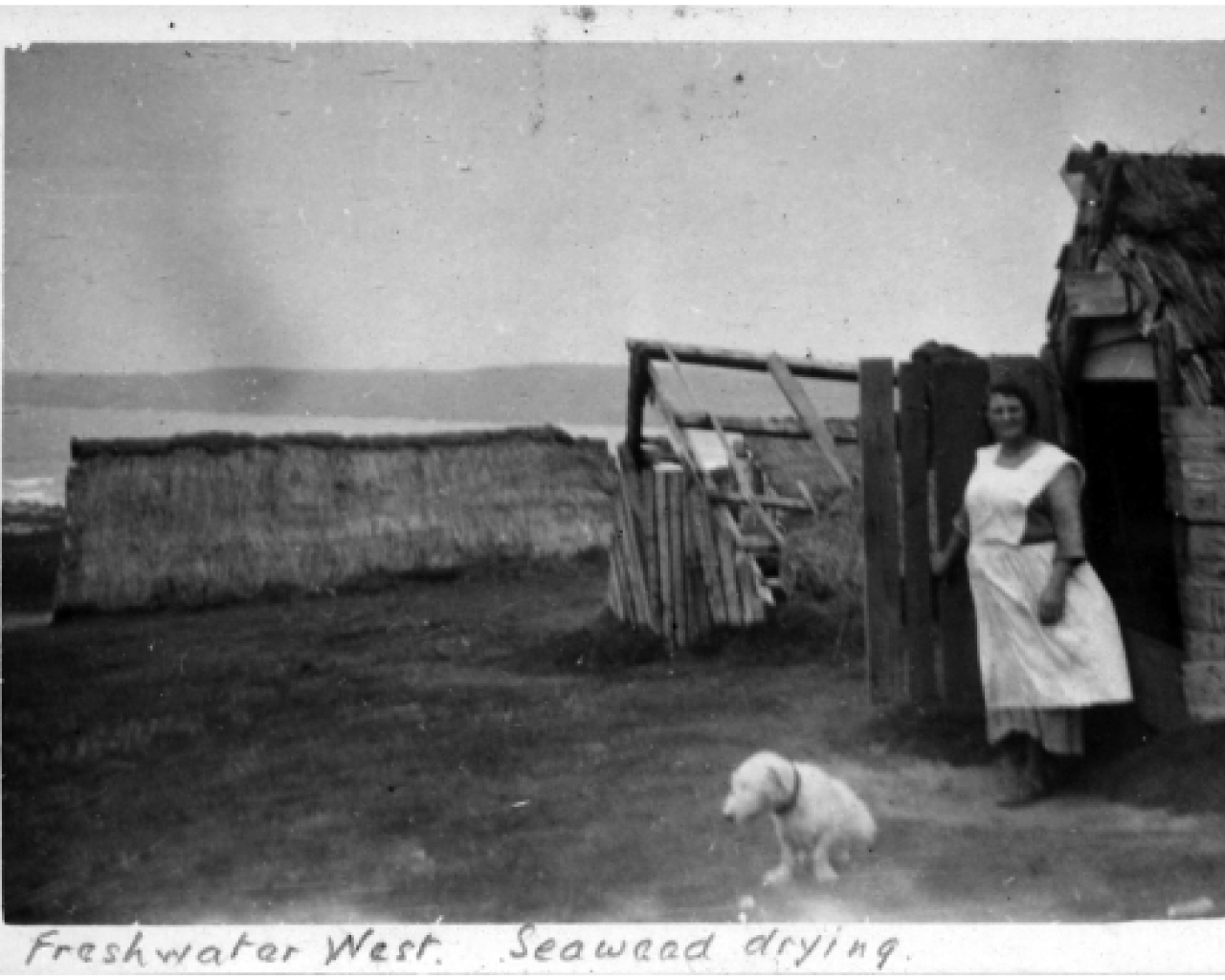
The Thomas M Reed, bound for Liverpool from San Fransisco with tonnes of precious cargo. The ship never made it, wrecking off the Pembrokeshire coast. Cargo was strewn along Freshwater West, a secluded beach on the most South West tip of Wales, attracting people from as far as Swansea. The visitors noticed the abundant laver seaweed growing at Freshwater West realising it could be used to up production of their beloved laverbread. A deal was struck and laver began being picked by local women and transported to Swansea for processing.
1940
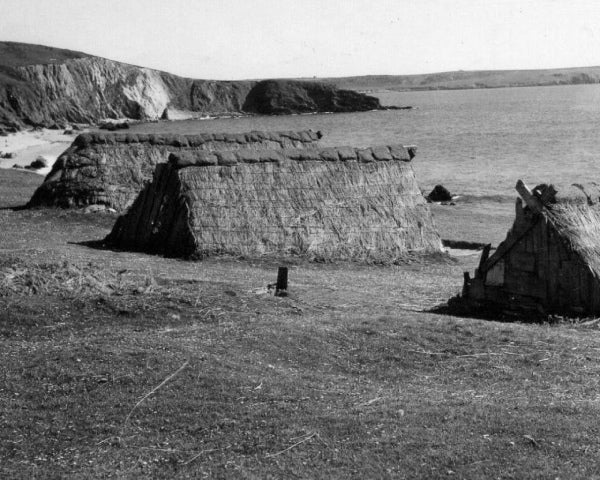
Seaweed Collecting At Freshwater West Peaks Then Fades Away
The best of the seaweed harvesting years at Freshwater West are over as food fashions change and the availability of new and exciting delicacies arrive.
1995
A Physical Symbol Of Pembrokeshire's Seaweed Harvesting Heritage
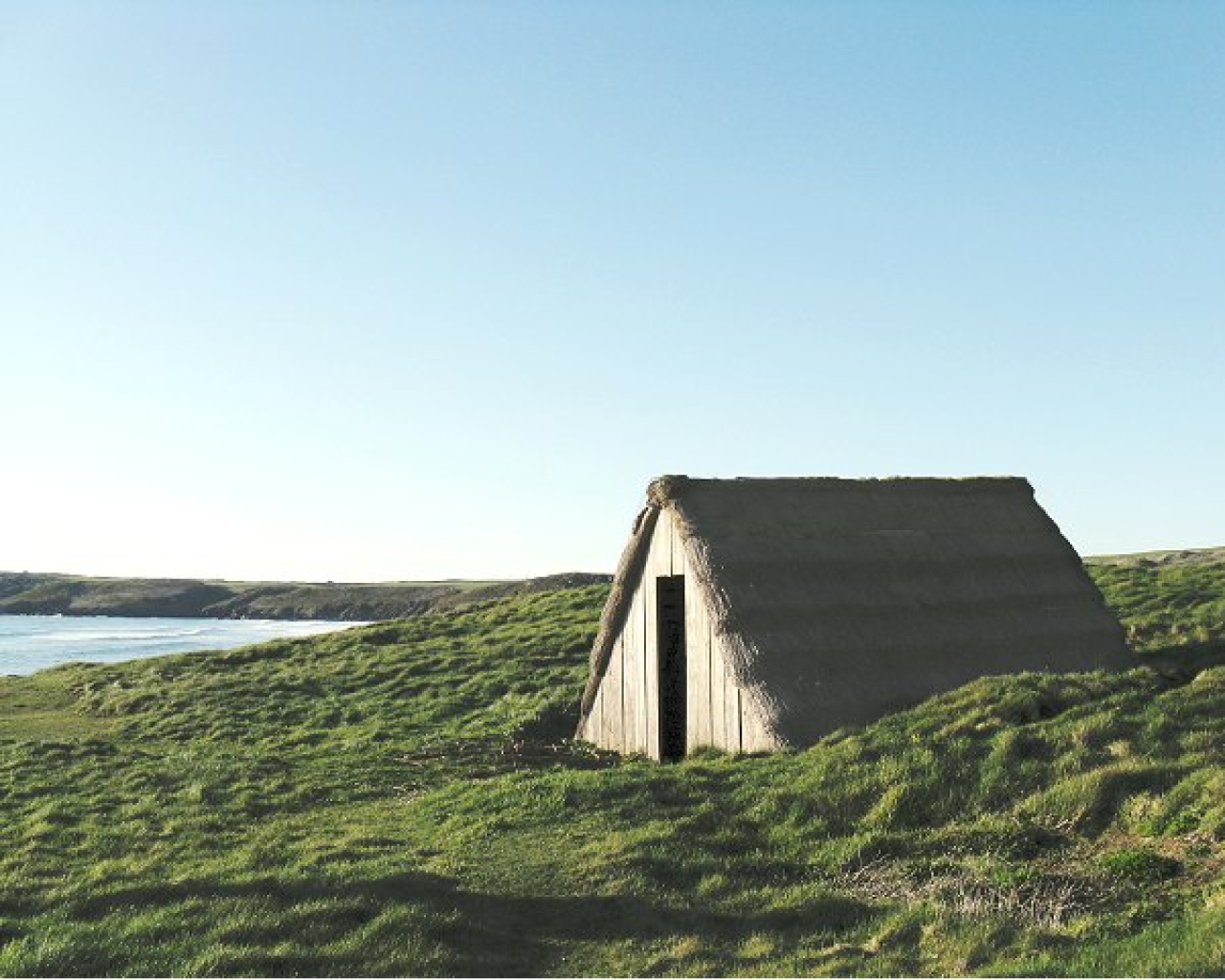
The last remaining seaweed drying hut at Freshwater West beach is restored by The National Trust and becomes a grade two listed building.